In Powhatan County’s wooded neighborhoods, vinyl siding can turn green fast. That is why homeowners searching for soft washing in Powhatan, VA trust low pressure over brute force. If your siding has that slick, green film, a gentle, detergent-driven process will clear it without risking damage. You can learn how a professional house washing service protects your home and keeps it looking fresh longer.
Below, you will see how soft washing controls algae in our humid climate, why high pressure can harm vinyl, and a simple checklist that compares pressure levels so you know what is safe.
What Makes Powhatan County Homes Prone To Green Algae
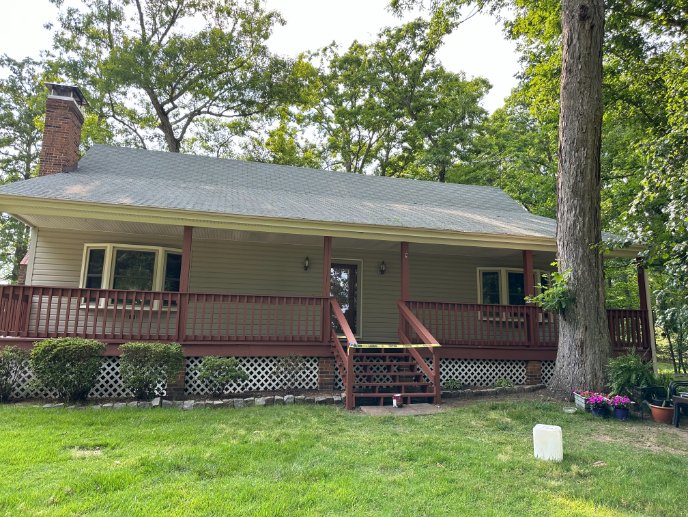
Powhatan’s rural setting means shade trees, long gravel drives, and homes tucked near creeks and the Appomattox River. Shade and moisture let algae and mildew cling to siding, especially on the north and east walls that dry slowly. After summer storms or late-spring pollen, that moisture holds tight in seams and laps where sunlight is weak.
Homes near the river see more morning fog and damp air. Out in the woods, windbreaks from pines and oaks trap humidity around the walls. Put these together and green growth shows up faster than it would in wide-open suburbs.
Local insight: Properties close to the Appomattox River or shaded hollows often grow algae twice as fast as spots with full afternoon sun. A soft wash lasts longer because it treats the organic growth at the source, rather than just blasting the surface.
Soft Washing Powhatan, VA: How Low Pressure Cleans Vinyl Siding
Soft washing uses low water pressure with a siding-safe cleaner to break down algae and mold. The solution does the heavy lifting. The rinse is gentle, closer to a garden-hose feel than a high-powered blast. This matters on vinyl because the panels are designed to shed water, not take it at force.
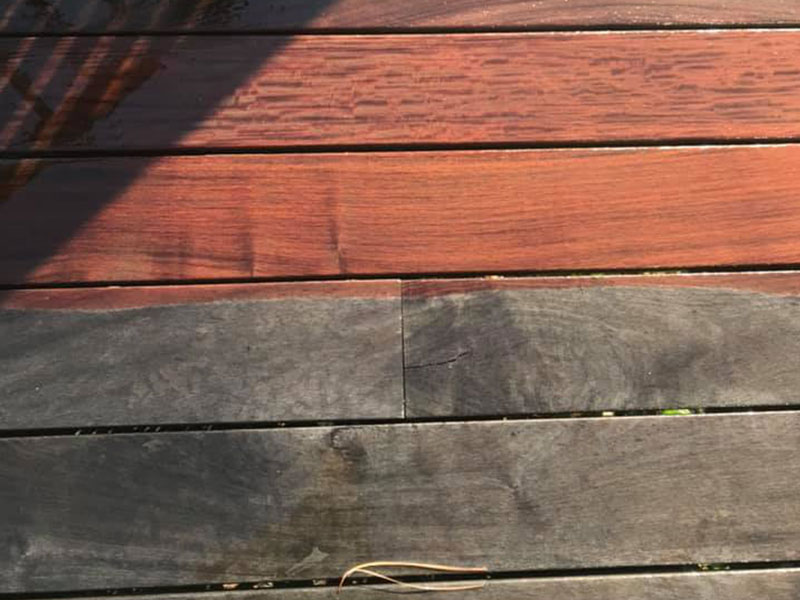
With soft washing, the detergents reach into texture lines and laps. They treat the green film so it releases cleanly. The final rinse carries away residue without scarring the face of the siding. Think of it like soaking a stain from a shirt before a light rinse. It is controlled, even, and safe.
For a deeper dive into safety on vinyl, this short read from our tips library explains soft wash advantages in plain language: vinyl siding cleaning safety guide.
Why High Pressure Damages Vinyl Siding
Vinyl siding is tough, but it is not built for concentrated force. Here are the two most common issues homeowners face when a high-pressure wand hits the wall:
- Oxidation removal: Older vinyl can develop a chalky, faded layer at the surface. High pressure scrubs that layer unevenly and leaves blotchy, streaked panels that will not “buff out.”
- Water intrusion behind panels: Strong, narrow sprays drive water up under laps and into weep holes. That moisture can reach insulation, sheathing, and window edges where it does not belong.
Other risks include bent seams, lifted corners, or etched trim around windows and doors. The damage may not show until the sun hits it later. A soft wash avoids those problems by lowering the PSI and letting chemistry do the work.
The Pressure Checklist For Safer Cleaning
Use this simple, homeowner-friendly reference to understand how professionals match pressure to materials. It shows why soft washing is the safer path for vinyl in Powhatan County.
- Vinyl siding soft wash: typically low pressure for application and a gentle rinse under a few hundred PSI to avoid forcing water into seams.
- Painted wood, fiber cement, and trim: low pressure with careful rinsing to protect coatings and caulk lines.
- Brick, pavers, and concrete: higher pressure is reserved for hard surfaces only, and even then is paired with cleaners to limit scarring.
- Rule of thumb: if a material has seams, laps, or gaskets, soft washing with low pressure is the safe starting point.
Bottom line: vinyl and high pressure are a bad match. Soft washing uses lower PSI and targeted detergents, so you get a bright, even clean without risking the structure.
How Soft Washing Protects Trim, Windows, And Insulation
Soft washing is not only about the face of the panel. Window seals, J-channels, soffits, and light fixtures all sit near lap joints where water can sneak inside. A high-pressure stream can chew at caulk and shoot past weatherstripping. Soft washing reduces splash-back and helps keep those small parts intact.
It also helps control oxidation. When technicians rinse gently, they avoid scrubbing off the weathered layer in patches. That keeps color more even from panel to panel, so the house looks uniformly clean rather than striped.
If you want to understand how our team approaches full exteriors, see the range of pressure washing services we tailor for homes with mixed materials.
Powhatan County Timing: When A Soft Wash Makes The Biggest Difference
In Central Virginia, green growth follows humidity. Late spring brings heavy pollen that sticks to damp siding. Summer storms soak north and east walls. Early fall can be wet, too, with cool mornings and shade from tall trees.
That is why many Powhatan County homeowners time a soft wash after peak pollen and again when summer humidity peaks. Homes tucked along creeks or low-lying areas may benefit sooner because fog and dew cling longer in the morning. Rural properties that back up to woods usually show algae first on the shaded side facing the trees.
When you are ready to restore curb appeal with a gentle, even clean, start with professional house washing so the results last.
Soft Washing Versus “Quick Blast”: What You Will Notice
Homeowners often say the green film returns quickly after a hard spray. That is because blasting can leave tiny streaks and untouched patches where algae hangs on. Soft washing treats the growth so it releases instead of tearing at the surface.
After a proper soft wash, you should see fewer wand marks, cleaner edges at window trim, and better color consistency where older panels meet newer ones. Most important, the rinse is controlled, so water is not driven into places it should not go.
Important: soft washing is a professional service. It is not about using “a little less pressure” with the same narrow tip. It is a different process with the right nozzles, flow, and detergents chosen for your siding.
Powhatan County, VA Examples And Concerns We Hear
From homes out near Ballsville and Macon to properties closer to Maidens and Fine Creek, the pattern is similar: shaded walls go green first. Along the Appomattox River, morning fog adds to the problem. Families planning graduation parties, reunions, and fall photo days often want siding bright before guests arrive. They also worry about water getting behind panels or lifting oxidation on older walls.
Soft washing answers those concerns. It cleans the surface, protects the seams, and helps your place look cared for without risking harm to trim or insulation. If your home sits in deep shade or backs to pines, the difference is easy to spot within a day of service.
Why J & L Property Services Is A Smart Pick For Low-Pressure House Washing
Choosing a local team matters. J & L Property Services understands how Powhatan’s woods, gravel drives, and river air affect siding. Our trained technicians use siding-safe detergents and controlled rinsing so results are even, bright, and long lasting. We take time to protect plants and fixtures, check for oxidation, and adjust the mix for your panels and trim.
For homeowners comparing methods, this short article lays out the safety angle in more detail: vinyl siding cleaning safety guide. It reinforces why low pressure solves the green film without opening the door to leaks or streaks.
Ready To Restore Your Vinyl Siding In Powhatan County, VA?
If you are seeing algae or dark streaks, a gentle soft wash will bring the color back without risking damage. To get started, call 804-218-4241 or learn what is included on our house washing page. If you want a quick overview of our team and service area, the best place to begin is right at soft washing Powhatan, VA.
When you are ready, J & L Property Services will schedule a convenient time and care for your home like it is our own.
.jpg)